Can You Bring a Water Bottle on a Plane? TSA Rules, Explained Simply
Affiliate disclosure: this page contains affiliate links — if you buy through them, we may earn a commission at no extra cost to you.
The short answer: an empty water bottle is always allowed through security — any size, any material, no rule against it. The 3.4 oz / 100 ml liquid limit applies to what's in the bottle, not the bottle. So the play is the one seasoned travelers all run: fly with an empty bottle, fill it at the fountain past security, and stop paying $6 for airport water. Here are the edge cases, the exceptions, and the frozen-water trick that's genuinely in the rules.
The rules, without the legalese
Empty bottle: fine, always — steel, plastic, glass, collapsible, gallon-sized, doesn't matter (though glass may earn you a secondary look at some airports, and it's the worst flying material anyway). Full or partly full bottle: not through the checkpoint; you'll be asked to empty or toss it. The frozen exception (real): ice is a solid — a frozen-solid bottle passes US checkpoints legally. The catch: it must be completely frozen when screened; any slush or meltwater makes it a liquid again. Fun rule, unreliable plan. The real exceptions: baby formula/breast milk and medically necessary liquids are exempt from the 100 ml limit in reasonable quantities — declare them at the checkpoint.
The best bottles to actually fly with
The travel-review consensus ranks by one metric: dead weight and dead space when empty. Collapsible bottles win — rolled up, they occupy a pocket, and a full one appears only after security. A standard tumbler works but rides your bag like a brick; insulated bottles earn their weight only on long-haul flights where cold water for 10 hours matters. One habit-stacking trick from frequent flyers: clip or stash the empty bottle in the seat pocket zone of your bag so filling it becomes part of the gate walk, not a thing you remember at row 34.
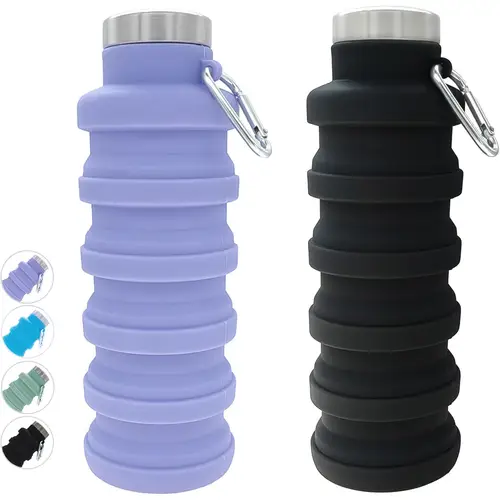
Collapsible Silicone Water Bottle (2-Pack)
Folds to pocket size when empty — the airport-security hack that travel creators recommend on repeat.
🚚 Free shipping on most orders · price at time of writing
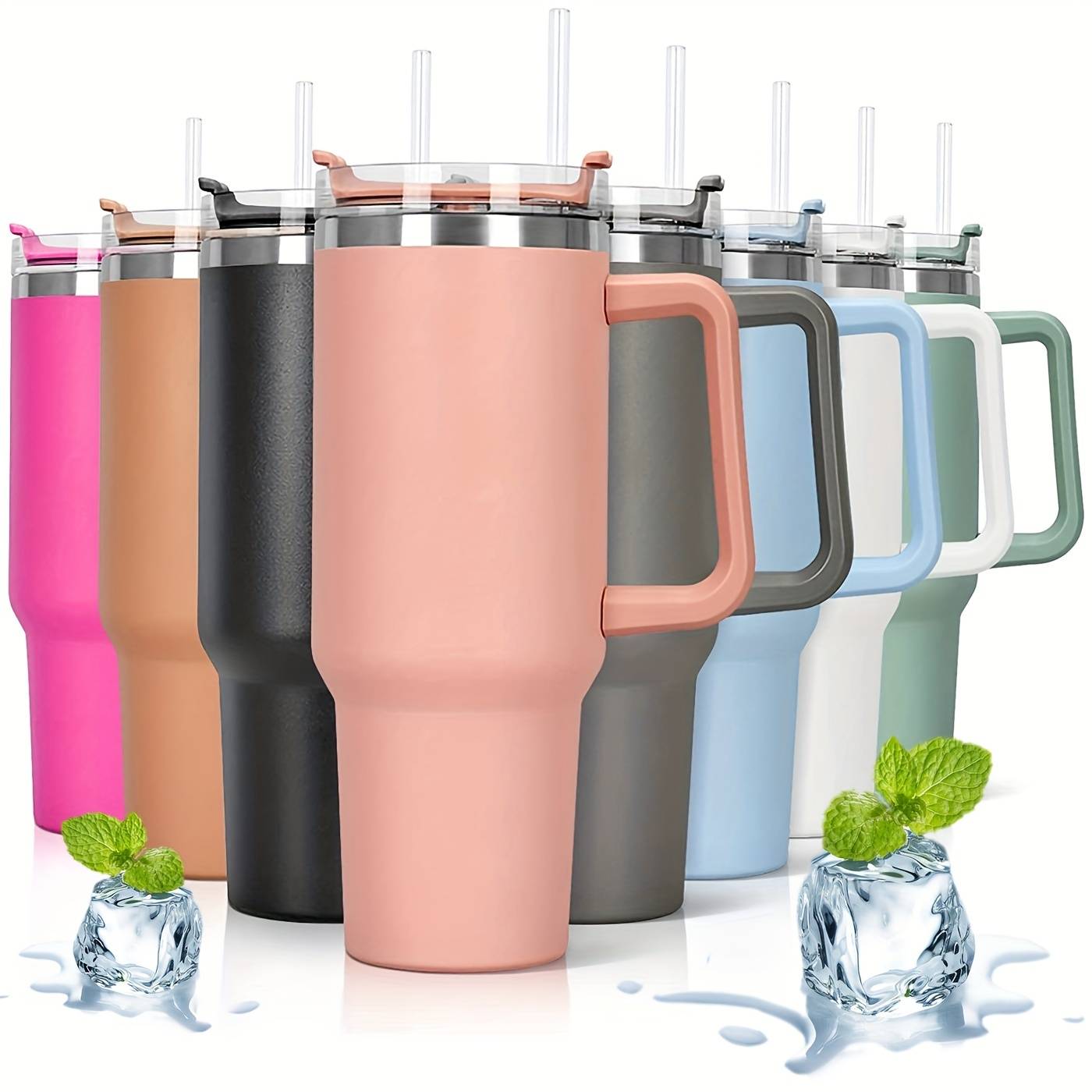
40oz Insulated Tumbler with Handle & Straw
The Stanley-style tumbler at a fraction of the price — keeps ice for 24h, fits cup holders, comes in every pastel.
🚚 Free shipping on most orders · price at time of writing
International wrinkle + the hydration math of flying
These are US TSA rules; the empty-bottle principle holds nearly everywhere, but some countries re-screen liquids at the gate for US-bound flights — drain the bottle before boarding queues, refill on the plane. And the reason to bother: cabin air sits at desert humidity, and the standard advice is roughly a cup of water per hour in the air. A filled 750 ml bottle covers a domestic flight; long-haul, ask the crew to refill it instead of collecting six tiny cups.
FAQ
Can I bring an empty water bottle through TSA?
Yes — always, any size and material. The 100 ml liquid limit applies to contents, not containers. Fill it at a fountain past security.
Does the frozen water bottle trick actually work?
It's genuinely in TSA's rules: completely frozen ice is a solid and passes. But if it's slushy or has meltwater when screened, it counts as liquid — so it's a fun rule, not a reliable plan.
Can I bring water for my baby on a plane?
Yes — baby formula, breast milk and water for formula are exempt from the 100 ml limit in reasonable quantities. Declare them at the checkpoint for separate screening.
→ See all Water Bottles & Hydration picks