TDS Meter Readings Explained: What Your Number Actually Means
Affiliate disclosure: this page contains affiliate links — if you buy through them, we may earn a commission at no extra cost to you.
The short answer: TDS (total dissolved solids) measures the minerals and salts dissolved in your water, in ppm. Most tap water lands between 100 and 400 ppm, and the US EPA's aesthetic guideline tops out at 500 ppm — above that, water starts tasting off. Here's the part every listing skips: TDS is not a safety score. It can't see bacteria, lead or chemicals. It's a taste-and-tracking tool, and used that way, the $5 pen is genuinely useful.
The TDS range table
| Reading (ppm) | What it usually means | Action |
|---|---|---|
| 0–50 | Reverse osmosis or distilled water — very few minerals | Normal for RO systems; some prefer remineralizing for taste |
| 50–150 | Low-mineral water — carbon-filtered or soft source | Nothing; this is where most filter pitchers land |
| 150–300 | Typical tap water — normal mineral content | Nothing; taste is the only judge here |
| 300–500 | Mineral-heavy or hard water | Fine per aesthetic guidelines; expect scale in kettles, consider filtering for taste |
| 500+ | Above the EPA's aesthetic guideline | Water tastes off; filter it — and if the number jumped suddenly, investigate why |
Two caveats that make the table honest: mineral water is supposed to read high — high TDS from calcium and magnesium is not a problem. And low TDS proves nothing about safety: perfectly clear, 40-ppm water can still carry bacteria a TDS pen will never see.
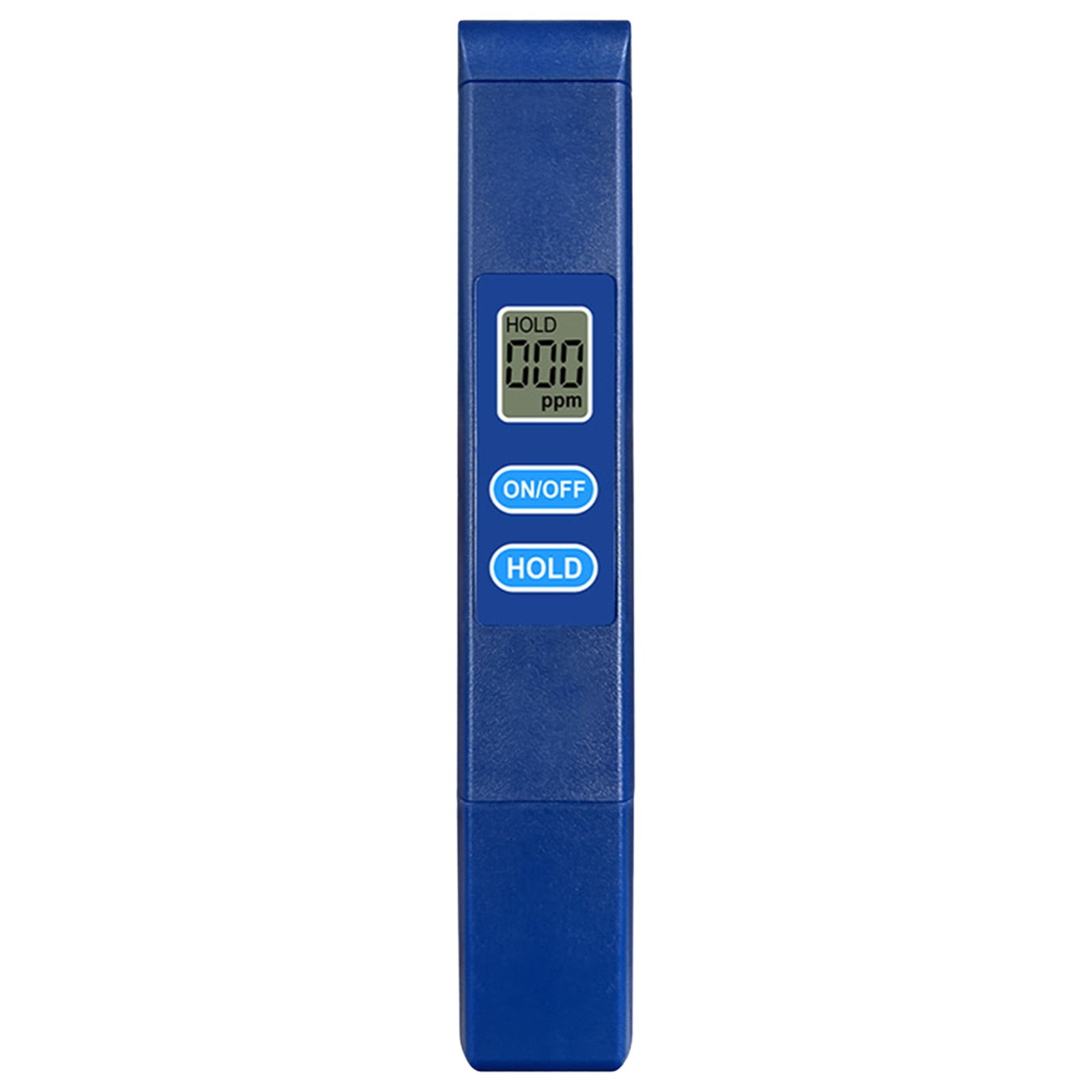
Digital TDS Water Quality Tester Pen
The $5 gadget behind every 'testing my tap water' video — instant TDS readout that sells filters by itself.
🚚 Free shipping on most orders · price at time of writing
What a TDS pen is actually good for
Job 1 — filter verification: measure before and after your pitcher or faucet filter. Carbon filters barely move TDS (they target chlorine and taste, not minerals), so don't panic at a small change; RO systems should slash it. A filter whose "after" number drifts back toward the "before" number is telling you the cartridge is spent — that's the pen's killer feature.
Job 2 — drift tracking: your tap's baseline is your baseline. Measure monthly; a stable 280 is boring and fine, while a jump from 280 to 450 means something changed upstream and is worth a real lab test.
Job 3 — appliance water: humidifiers (white dust), aquariums and espresso machines all care about mineral load. The pen answers "should I use filtered water in this?" in five seconds.
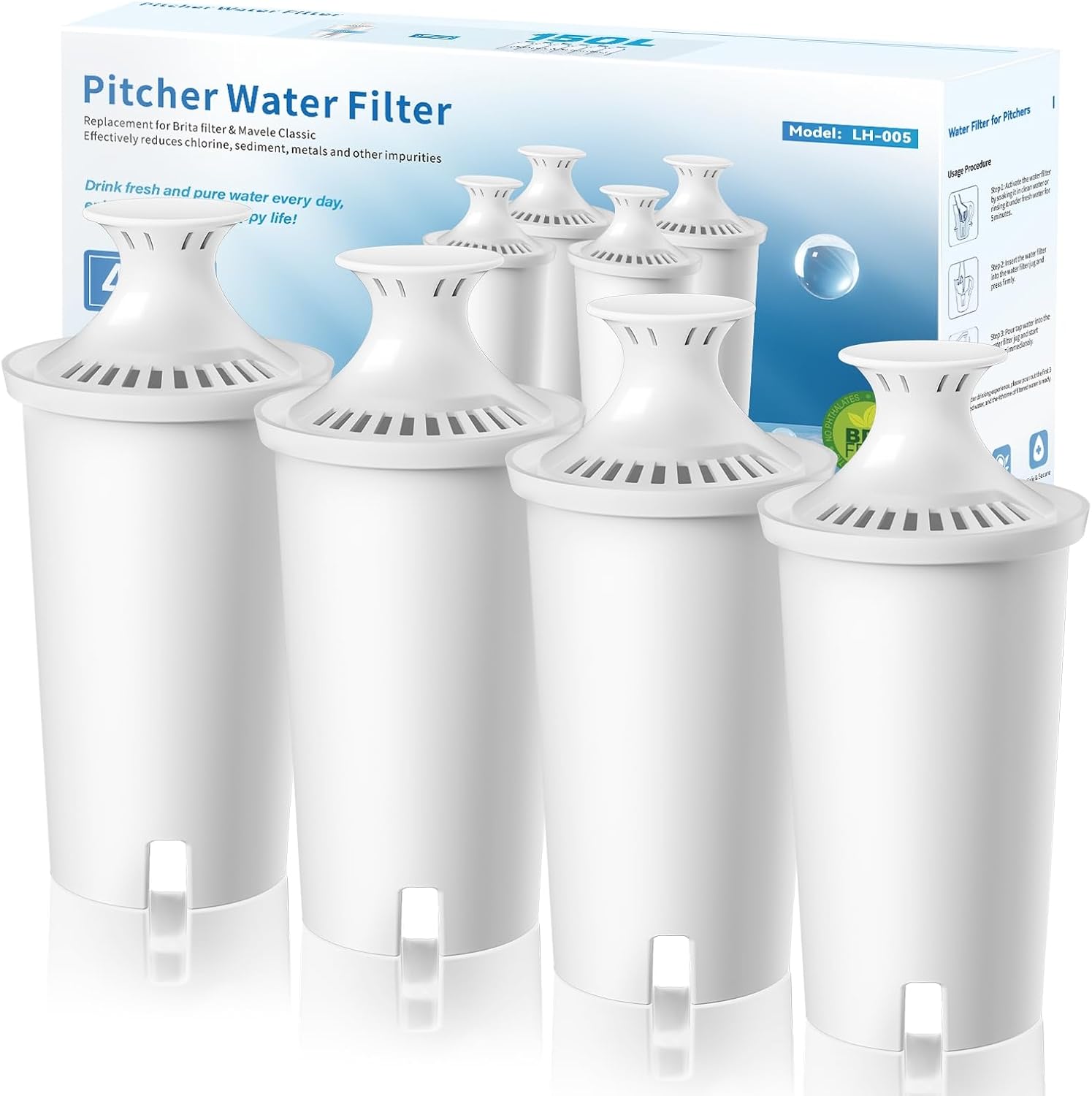
Water Filter Pitcher with Replacement Cartridges
The Brita-style pitcher plus spare cartridges for less than one branded refill pack — built-in repeat purchases.
🚚 Free shipping on most orders · price at time of writing
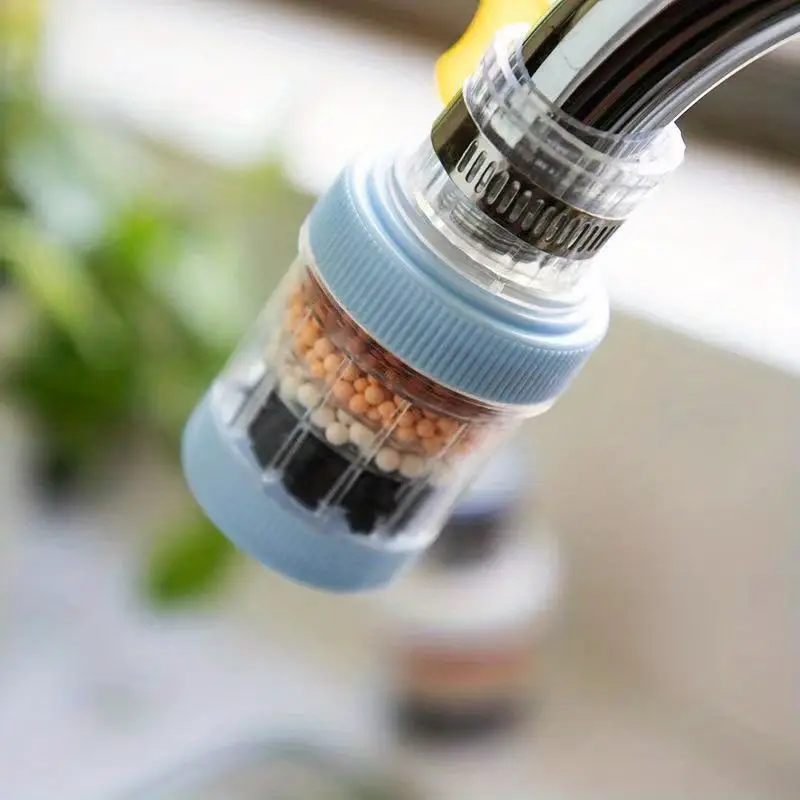
Faucet-Mount Water Filter
Twist onto any kitchen tap for instant filtered drinking water — no pitcher refills, no plumber.
🚚 Free shipping on most orders · price at time of writing
How to take a reading that means something
Rinse the electrodes with the water you're testing, fill a clean glass (not the bottle you drank from), dip to the marked line, wait for the number to settle, and always test at room temperature — TDS pens temperature-compensate imperfectly, and hot water reads high. Test the same tap, same time of day for trend data. And ignore the "water quality tester" framing on listings: you're buying a mineral meter, and that's enough.
FAQ
What is a good TDS level for drinking water?
Most tap water reads 150–300 ppm and that's normal; under 500 ppm meets the EPA's aesthetic guideline. Taste is the real judge — TDS measures minerals, not safety.
Does a low TDS reading mean my water is safe?
No. TDS meters can't detect bacteria, viruses, lead or chemicals — clear low-TDS water can still be unsafe. For safety questions, use a proper lab test; the pen is for taste and filter tracking.
Why didn't my filter pitcher lower my TDS?
Because carbon filters target chlorine, taste and odor — not dissolved minerals. That's expected behavior, not a broken filter. Only reverse osmosis meaningfully drops TDS.
→ See all Water Filters & Purity picks