Pet Fountain Cleaning: The 5-Minute Weekly Routine (and Why It Gets Slimy)
Affiliate disclosure: this page contains affiliate links — if you buy through them, we may earn a commission at no extra cost to you.
The short answer: pet fountains get slimy because cats and dogs backwash saliva and food particles into circulating warm water — biofilm is the natural result, not a defect. The fix is a rhythm, not a product: weekly 5-minute teardown, monthly pump clean, filter swap every 2–4 weeks. Fountains that get this routine run silent for years; fountains that don't announce themselves with slime, smell and a grinding pump — in that order.
Weekly: the 5-minute teardown
1. Unplug, dump the water. 2. Disassemble every part that separates — bowl, tray, dome — and set the filter aside (rinse only; soap ruins carbon). 3. Hot water + a drop of dish soap + a dedicated brush over every surface, with attention to corners and the waterline. 4. Rinse aggressively — detergent residue is the #1 reason cats snub a freshly cleaned fountain. 5. Refill with fresh (ideally filtered) water. The dedicated-brush detail matters: your dish sponge carries kitchen grease into the fountain, and pets can taste it.
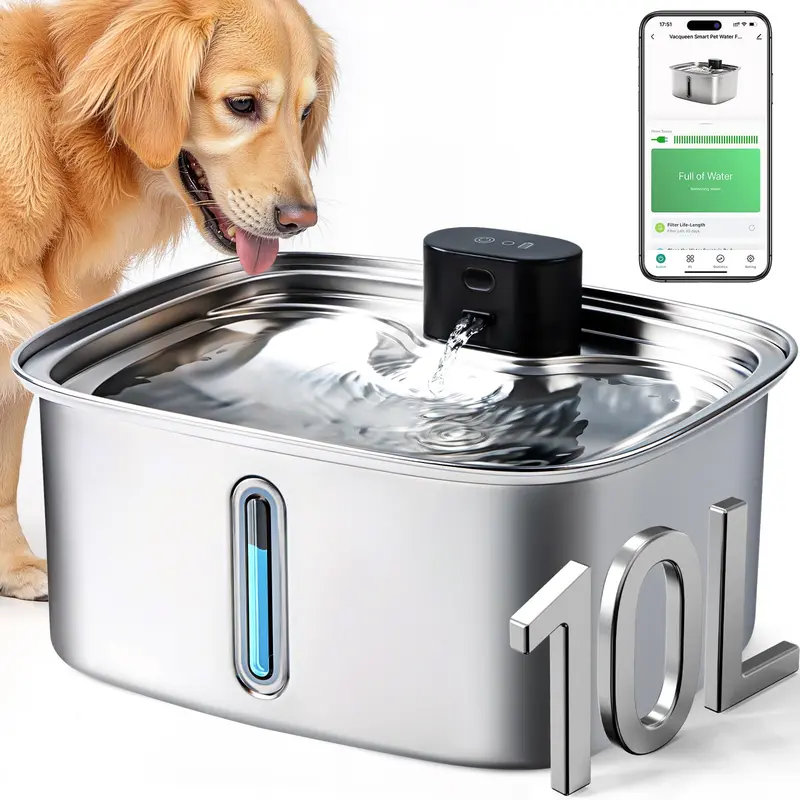
Automatic Pet Water Fountain
Cats drink more from running water — filtered, quiet, and the centerpiece of a million cat videos.
🚚 Free shipping on most orders · price at time of writing
Monthly: the pump is the whole machine
A grinding, rattling or weakening fountain is almost never dying — it's a dirty impeller. Monthly: pop the pump open (the cover slides or clicks off), pull the tiny impeller out, and brush the hair-and-slime wrap off the shaft with an old toothbrush or cotton swab. Hard-water areas: soak pump parts in 1:1 white vinegar for 15 minutes to dissolve scale first — the same chemistry as our humidifier routine. This 3-minute habit is the difference between the pumps that die in months and the ones still running at year three in reviews.
Filters, water choice and the schedule that sticks
Filters: carbon filters want replacing every 2–4 weeks (multi-pet households: the short end). Generic packs fit most budget fountains and cost a fraction of brand refills — check the size against reviews before bulk-buying. Water: if your tap runs hard, filtered water slows both scale and slime, and your pump lives longer. The schedule that sticks: anchor fountain day to something existing — litter deep-clean day, or Sunday coffee. Owners in reviews are unanimous that the routine takes 5 minutes when weekly and 25 unpleasant minutes when monthly.
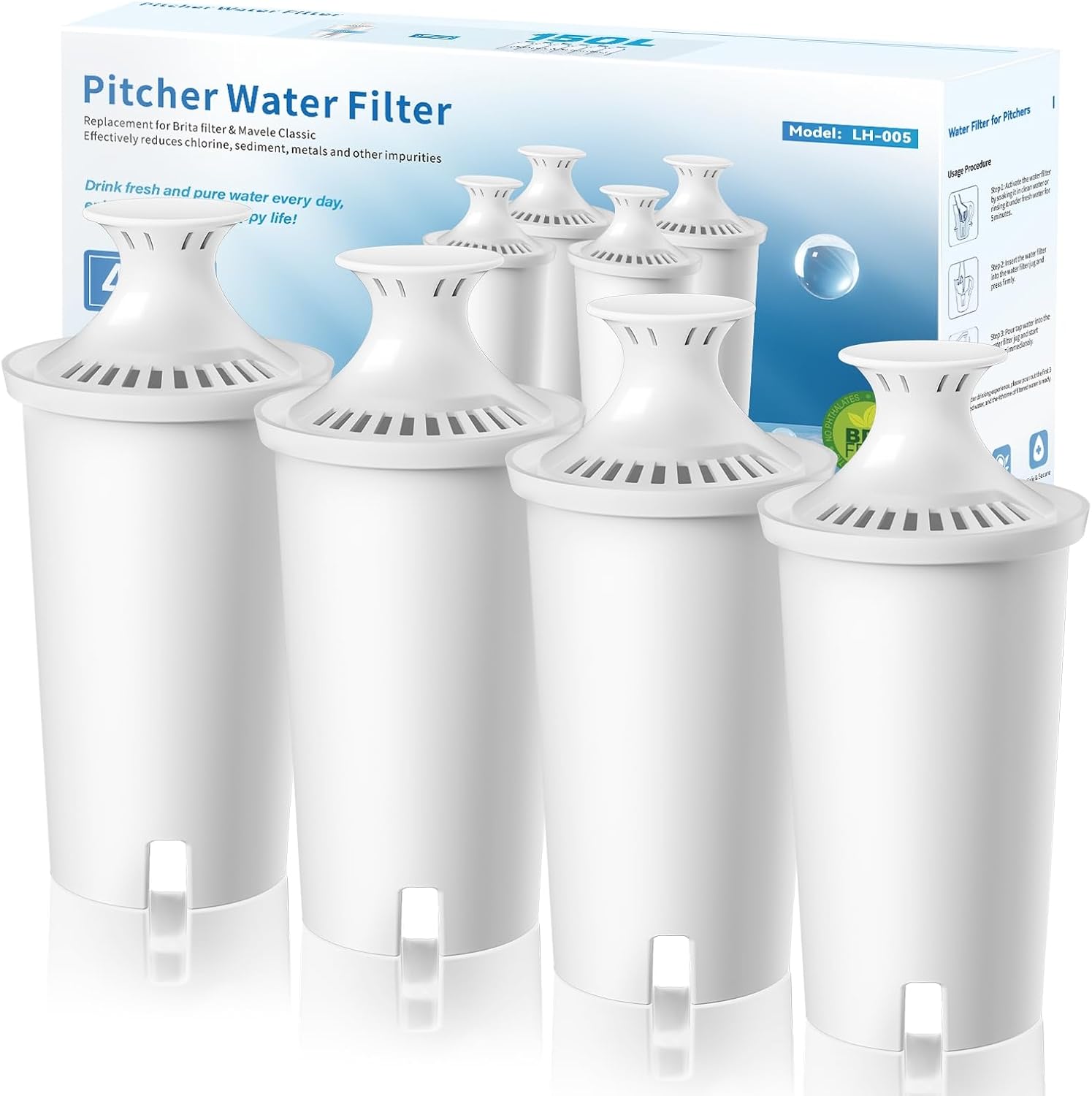
Water Filter Pitcher with Replacement Cartridges
The Brita-style pitcher plus spare cartridges for less than one branded refill pack — built-in repeat purchases.
🚚 Free shipping on most orders · price at time of writing
FAQ
How often should you clean a pet water fountain?
Full teardown and scrub weekly, pump and impeller clean monthly, carbon filter swap every 2–4 weeks. Weekly is genuinely 5 minutes; skipping to monthly makes it a 25-minute slime project.
Why does my cat fountain get slimy so fast?
That's biofilm from saliva and food particles circulating in warm water — normal biology, not a broken fountain. Weekly cleaning with a dedicated brush keeps it ahead of the curve.
Why is my pet fountain suddenly loud?
Low water level or a dirty impeller, in that order. Top up first; if the rattle stays, open the pump and brush the hair wrap off the impeller — it's a 3-minute fix, not a dead pump.
→ See all Home, Plants & Pets picks