How to Use a Water Flosser Without Soaking the Mirror (Technique + Settings)
Affiliate disclosure: this page contains affiliate links — if you buy through them, we may earn a commission at no extra cost to you.
The short answer: the mess isn't the machine, it's the technique — and the technique is three habits: lean over the sink, close your lips loosely around the tip (let water dribble out, don't seal), and start on the lowest pressure. Everyone's first session soaks the mirror; nobody's second session has to. Here's the full routine, the pressure question answered honestly, and the braces workflow that makes these devices genuinely life-changing for orthodontic patients.
The no-splash technique, step by step
1. Fill the tank with lukewarm water — cold water on gums is the avoidable unpleasant part. 2. Tip goes in your mouth before the power goes on (this rule alone saves the mirror). 3. Lean over the sink, chin down, lips loosely closed around the tip so water sheets quietly into the basin. 4. Aim at the gumline at 90°, and trace it tooth by tooth — pause a beat between teeth, don't sweep. 5. Do the outside faces, then inside faces, upper then lower; a full pass runs about a minute. 6. Power off before the tip leaves your mouth (the other half of the mirror rule).
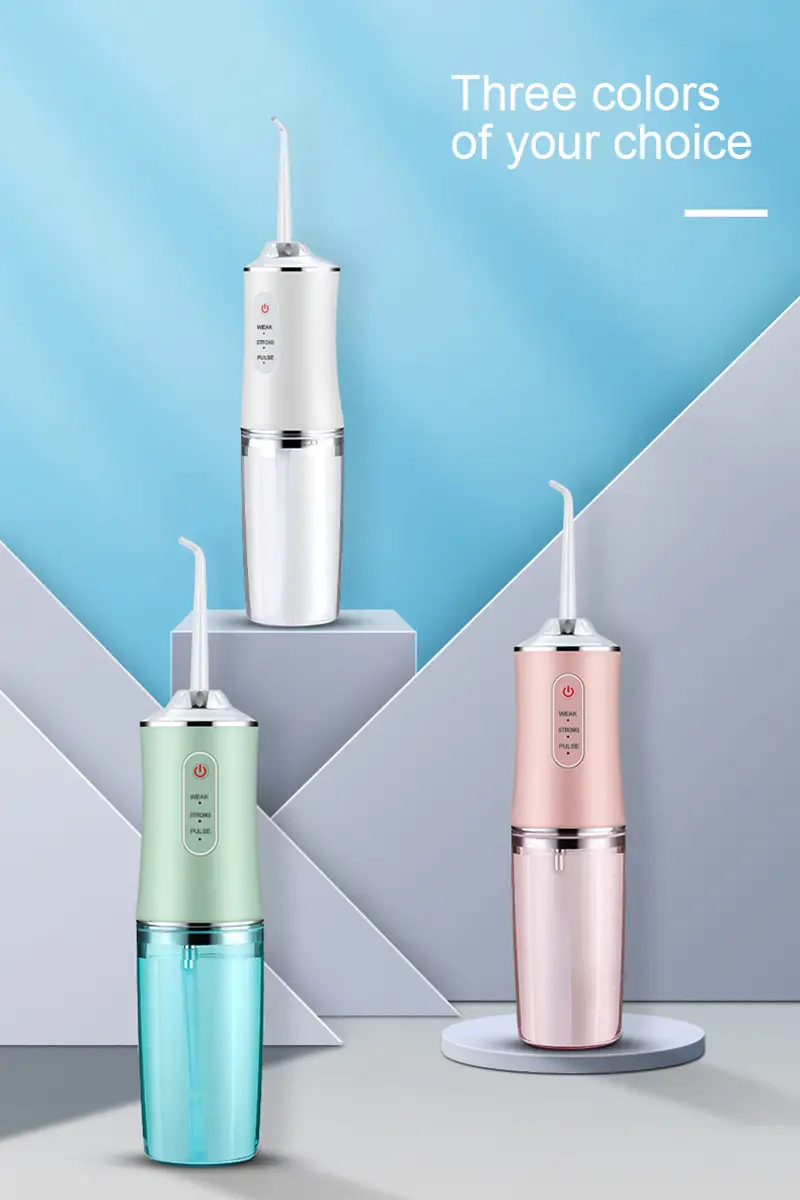
Cordless Water Flosser
The dentist-recommended habit at a Temu price — rechargeable, 3 modes, and the before/after demos convert on sight.
🚚 Free shipping on most orders · price at time of writing
Pressure, water, and what to expect
Pressure: start at the lowest setting for the first week — new users' gums may be tender and can bleed a little at first, which typically settles as gum health improves; work up to the middle settings. Max settings are for established users, not a shortcut. In the tank: water. A splash of mouthwash is fine if diluted; skip salt and oils, which shorten cheap pumps' lives. Expectations, honestly: dental orgs still recommend mechanical floss — the flosser is a supplement and a compliance machine: the best floss is the one that actually happens nightly, and reviews are full of people whose flossing rate went from never to daily because the machine made it painless.
The braces routine (where flossers earn cult status)
For brackets and wires, string floss is threading purgatory — this is the use case where water flossers stop being optional. The workflow: orthodontic tip if your unit has one (the tapered brush-tip), lowest-to-middle pressure, and an extra pass around each bracket where food hides. Post-meal quick passes beat one marathon session. Same story for bridges, implants and permanent retainers — flushing under hardware is precisely what a water jet does that string can't.
FAQ
Do you use a water flosser before or after brushing?
Common dentist advice: floss first, brush after — the jet clears debris so fluoride reaches more surface. The honest answer is that the order matters far less than doing both daily.
Why do my gums bleed with a water flosser?
Mild bleeding in the first days usually reflects existing gum inflammation, not damage — start on low pressure and it typically settles within a week or two. Persistent bleeding is a dentist question.
Can a water flosser replace string floss?
Dental organizations still recommend mechanical flossing; the water flosser is an excellent supplement — and for braces, bridges and implants it's often the more effective tool. Best answer: both, and ask your dentist.
→ See all Water-Powered Personal Care picks