How Much Water to Bring Camping (Per Person, Per Day — One Table)
Affiliate disclosure: this page contains affiliate links — if you buy through them, we may earn a commission at no extra cost to you.
The short answer: about 4 litres (1 gallon) per person per day — roughly half for drinking, half for cooking, coffee and washing. Hot weather pushes drinking water up fast (+50% or more), kids splash more than they sip, and dogs count as small people. The table below does the math by trip type, and the sections after it cover the two real logistics questions: how to carry it, and when a filter replaces carrying it at all.
The water math table
| Trip type | Per person / day | Weekend, 2 people | Notes |
|---|---|---|---|
| Car camping, mild weather | 4 L | ~16 L | The baseline: drink + cook + wash |
| Car camping, hot weather | 5–6 L | ~22 L | Drinking share jumps; shade helps more than ice |
| With campfire cooking | +1 L | +4 L | Pasta, cleanup and coffee are thirsty work |
| Backpacking (filter carried) | 2–3 L carried | — | Refill at sources; the filter replaces the jugs |
| Per dog | +1–2 L | +2–4 L | Scale with size and heat — see our dog water guide |
One planning rule worth adopting from experienced campers' reviews: arrive with 20% more than the math says, and treat the buffer as untouchable until the last morning. Water anxiety ruins trips; a spare 4 litres in the trunk costs nothing.
Carrying it: the two-container system
The setup that keeps showing up in long-term reviews: one big insulated jug with a spout as base camp (cold water all weekend, doubles as the hand-wash station) plus a personal bottle per person that gets refilled from it. Collapsible containers earn their place on the drive home — empty, they vanish. The mistake to skip: a dozen small disposable bottles, which turn into trash, tepid water and no cooking supply.
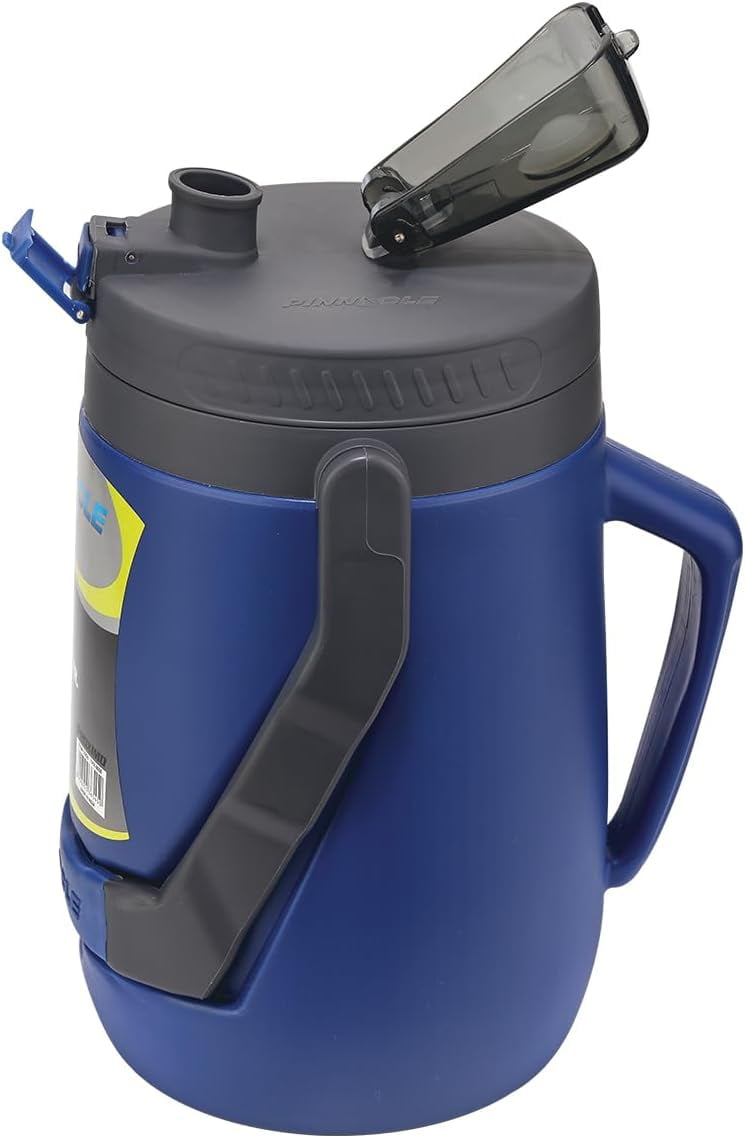
Large Insulated Water Jug with Spout
The team-practice and jobsite jug — keeps water ice-cold all day and outlasts every branded cooler at this price.
🚚 Free shipping on most orders · price at time of writing
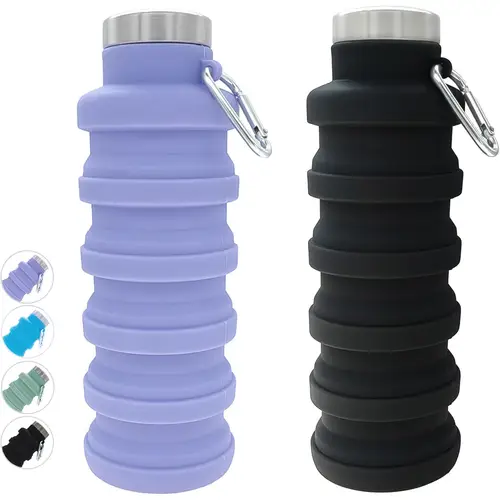
Collapsible Silicone Water Bottle (2-Pack)
Folds to pocket size when empty — the airport-security hack that travel creators recommend on repeat.
🚚 Free shipping on most orders · price at time of writing
When a filter replaces the jugs
Camping near a stream or lake changes the math: a filter straw or squeeze filter turns the source into your supply, and you carry litres instead of tens of litres. The honest boundary we keep repeating: 0.1-micron hollow-fiber filters handle bacteria and protozoa — fine for most backcountry water — but not viruses or chemicals, so urban-adjacent and agricultural runoff water stays in the "carry it" category. For festival camping, there's no stream and no shortcut: it's the table above, plus shade.
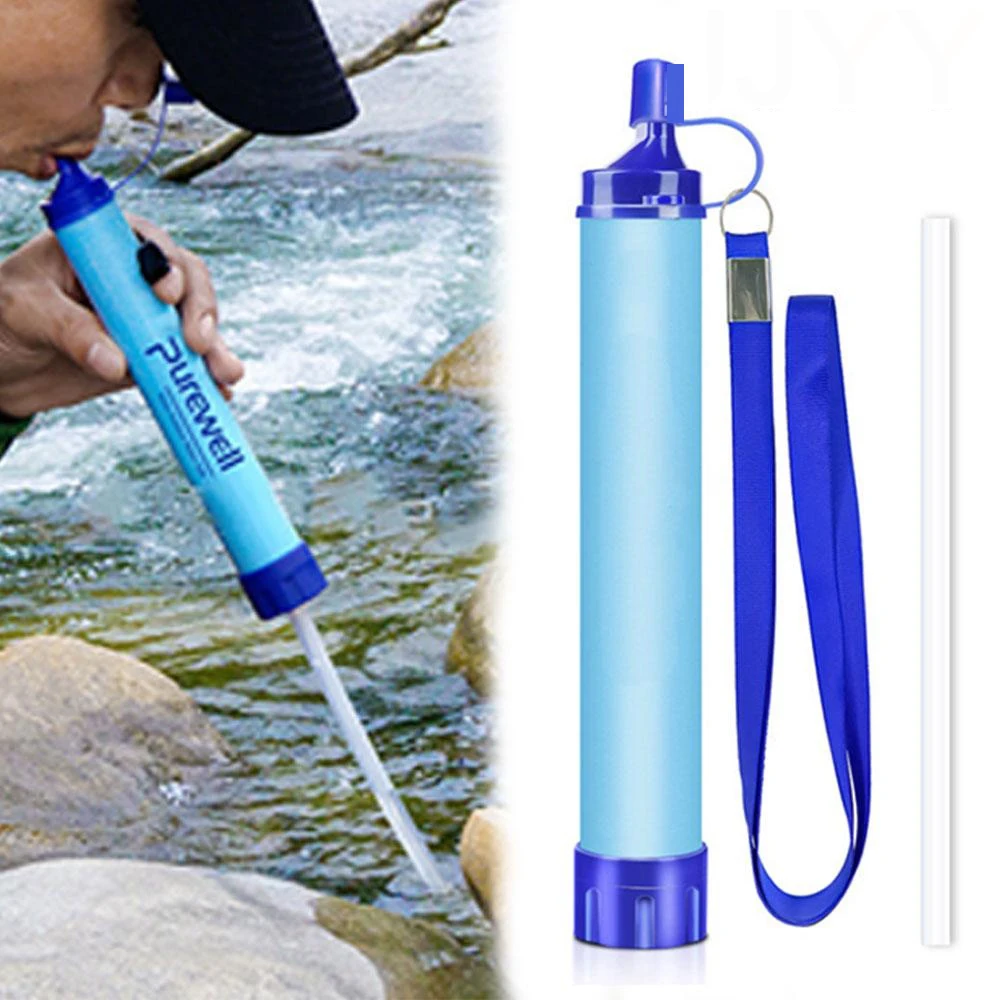
Portable Water Filter Straw
Drink from streams safely — the LifeStraw-style filter that camping and emergency-kit lists always include.
🚚 Free shipping on most orders · price at time of writing
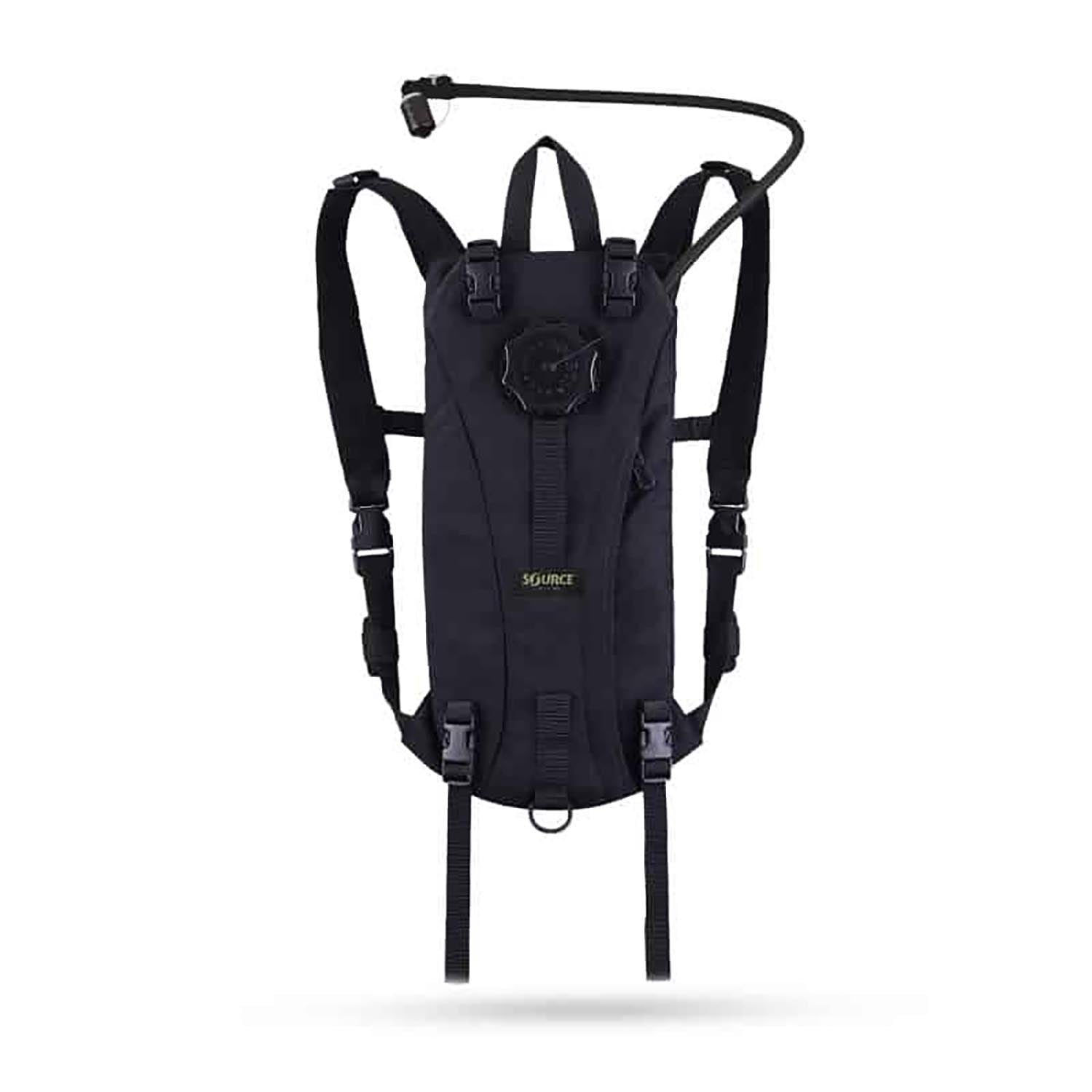
2L Hydration Backpack
Hands-free water for hikes, runs and festivals — the CamelBak look for a fifth of the price.
🚚 Free shipping on most orders · price at time of writing
FAQ
How much water do I need for 2 nights of camping?
For two people, plan roughly 16–20 litres total (4 L per person per day, more in heat) covering drinking, cooking and washing — plus a 20% buffer you don't touch until the last morning.
Is a gallon of water a day enough for camping?
Yes for mild weather — it's the standard planning figure. Hot weather, fire cooking and dogs all push it up; a hot July weekend realistically runs 5–6 litres per person per day.
Can I just filter water instead of bringing it?
If you're camping near a natural source, yes — a hollow-fiber filter covers bacteria and protozoa for backcountry water. It doesn't remove viruses or chemicals, so questionable or agricultural water still means carrying your own.
→ See all Outdoor & Sports Hydration picks